Talks & Workshops
Learn from the people shaping the field. Talks and hands-on workshops across technical AI safety, governance, entrepreneurship and careers.
7–8 November 2026 • ETH Zurich
The next step in your AI safety career is here
One day at ETH Zurich. More than 350 applications. New collaborations, new careers, and an event attendees rated among the best uses of their time. Here is what happened when Europe's AI safety community first met in Zurich.
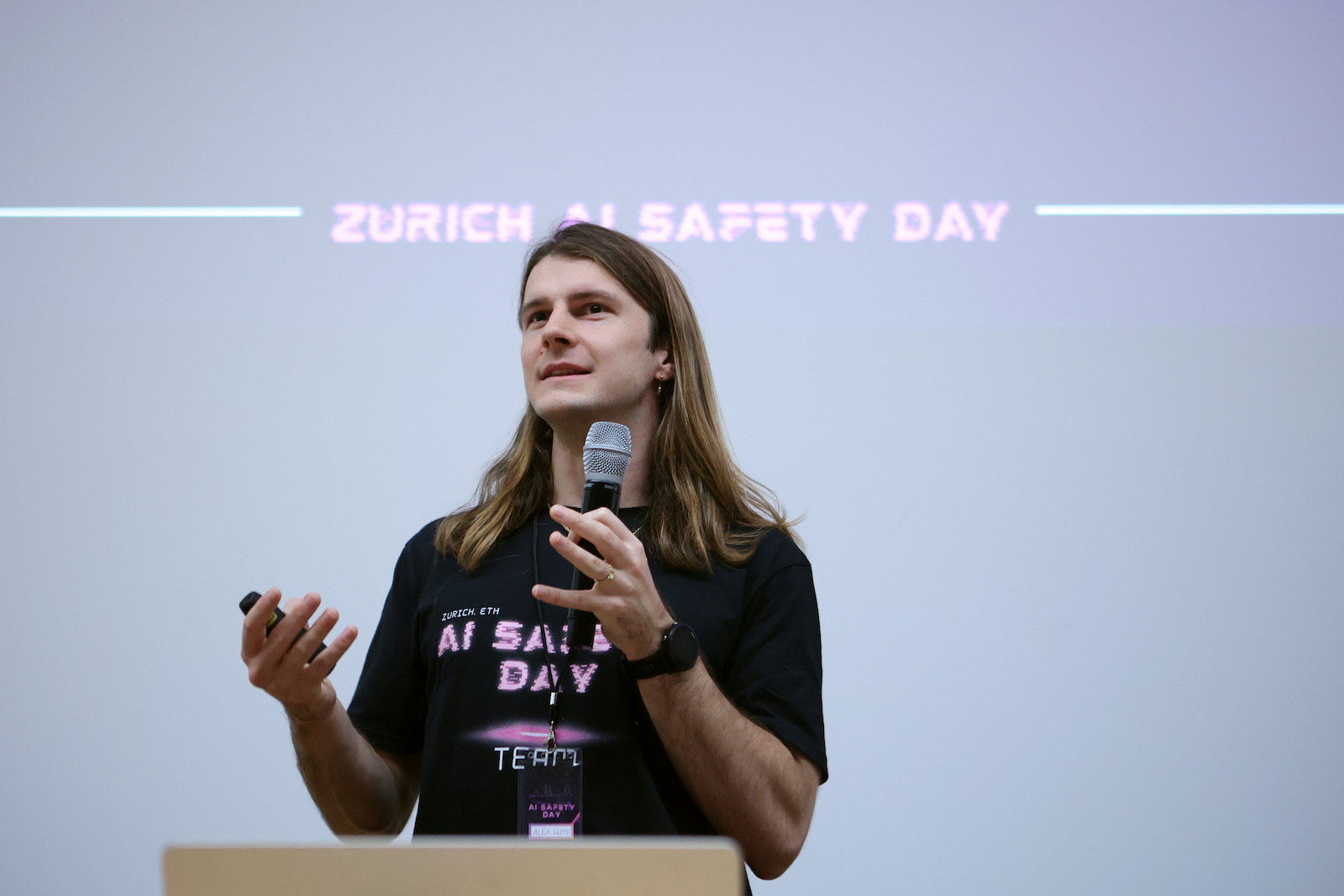
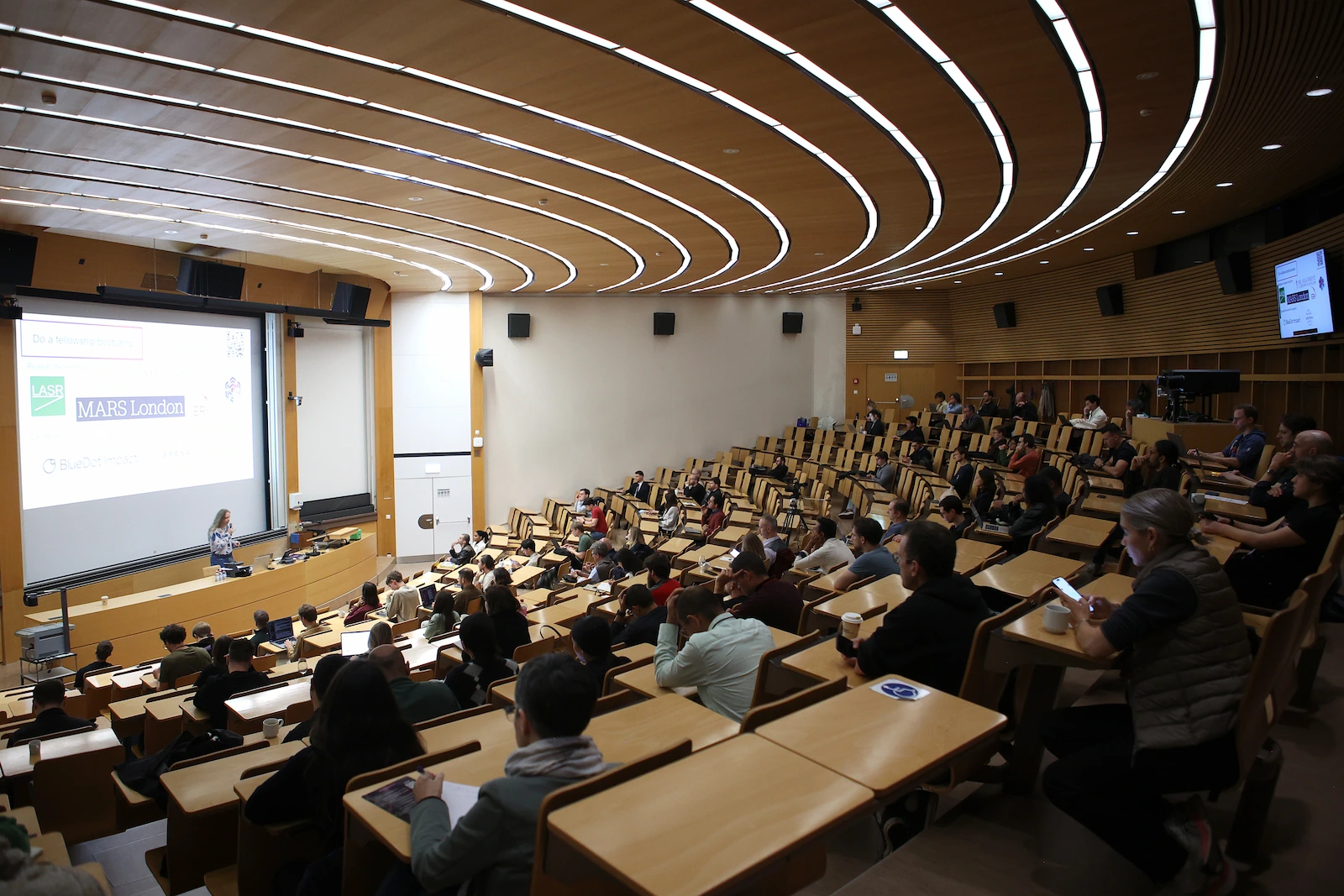
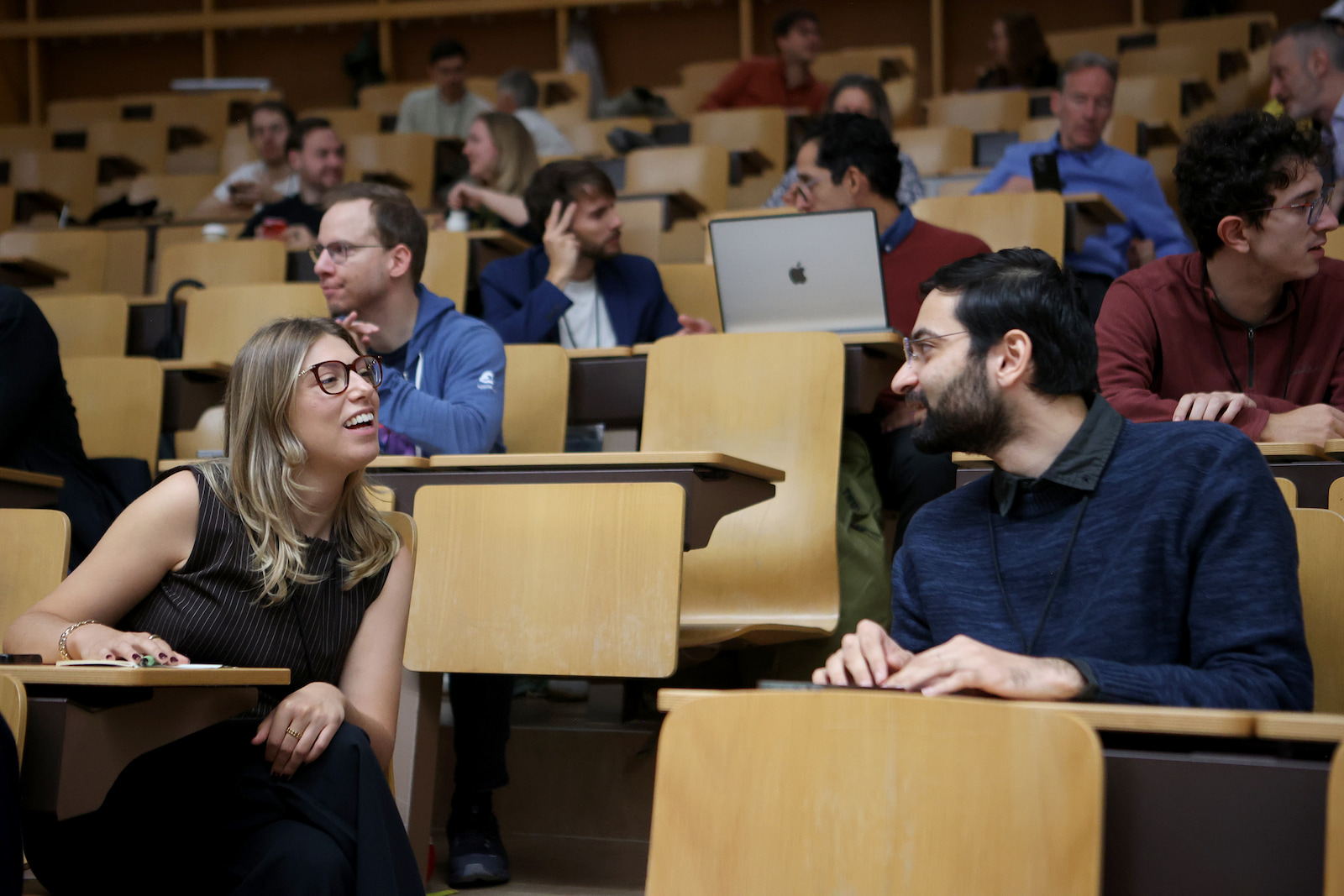
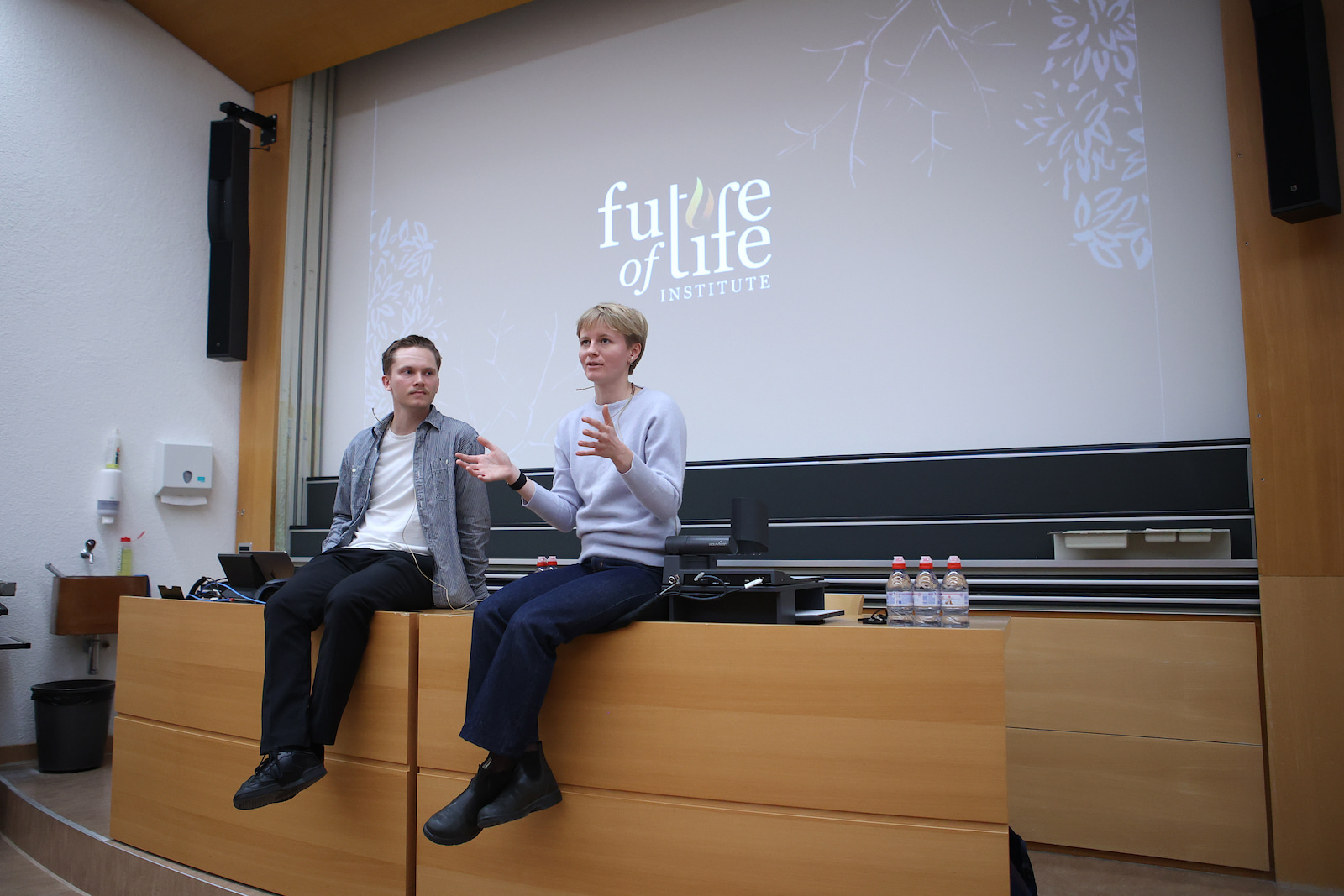
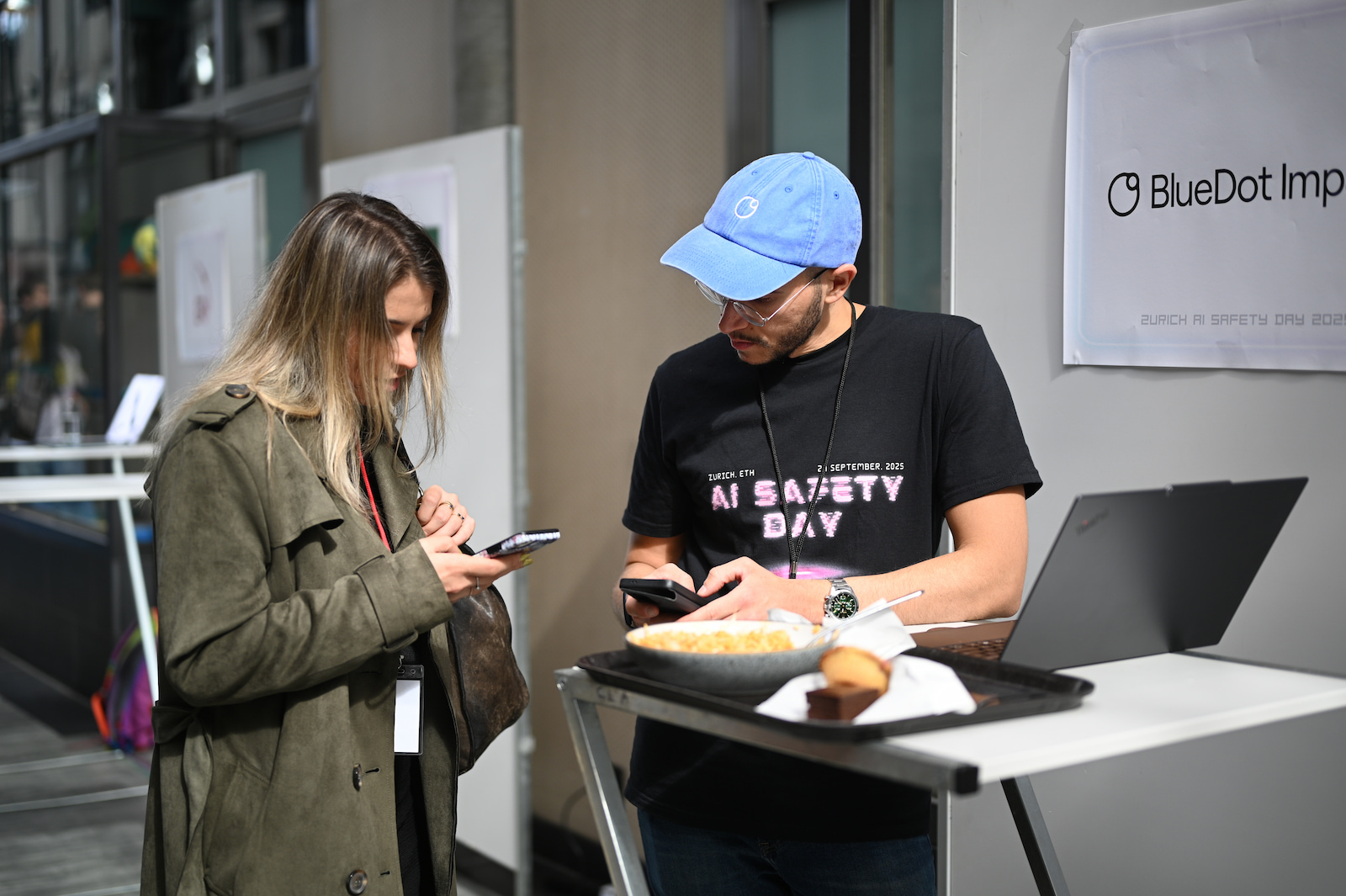
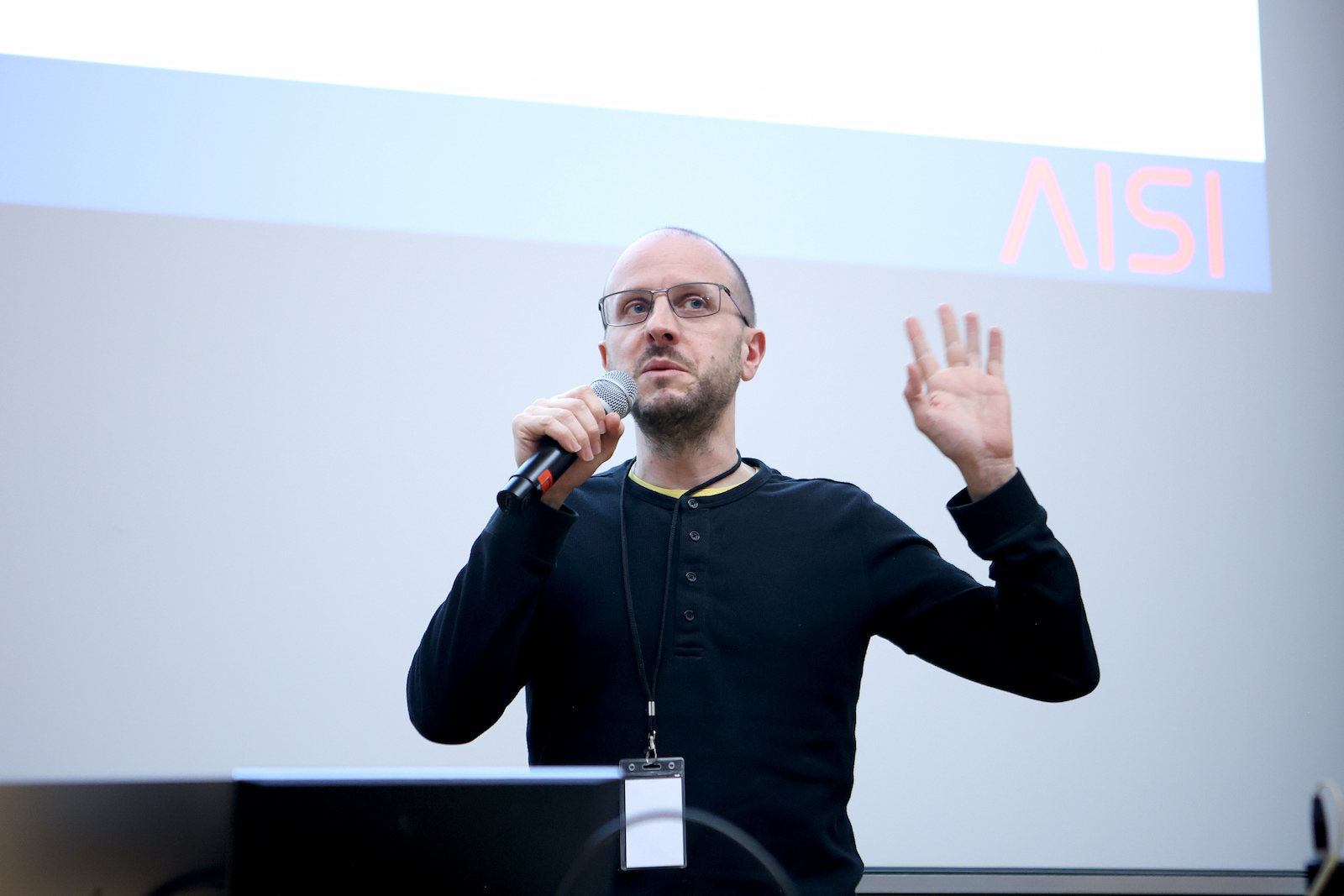
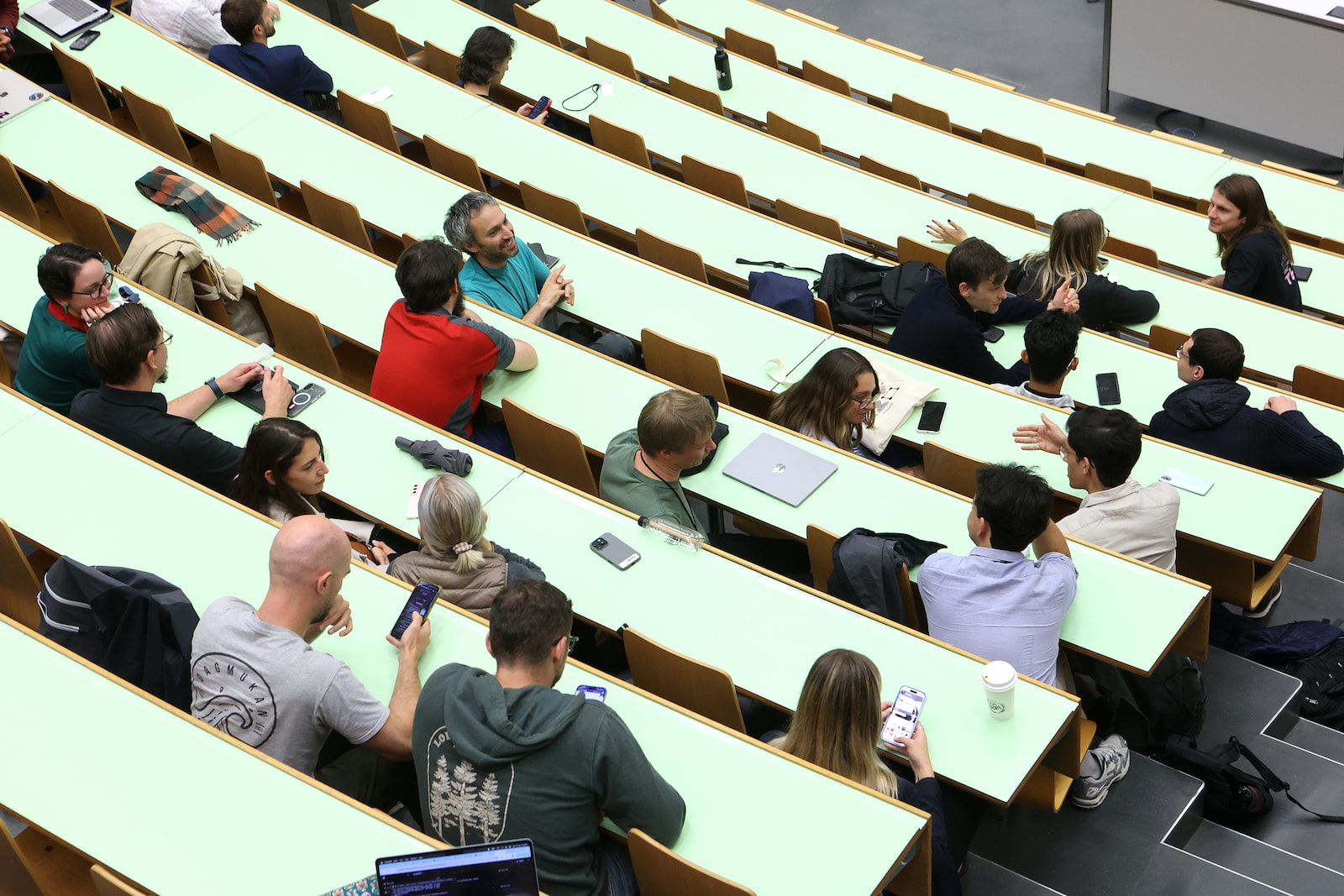
This year, the event doubles to two full days. The full program lands later this year. Three things are already certain:
Learn from the people shaping the field. Talks and hands-on workshops across technical AI safety, governance, entrepreneurship and careers.
Meet the organizations working on AI safety, face to face. The 2025 edition led directly to new roles and collaborations across the ecosystem. Yours could be next.
Skip the small talk. Structured 1-1s, speed networking, and roundtables built to get you the connections that matter.
 (opens in a new tab)
Swiss AI Safety Days is an official Road to Geneva event, part of the lead-up to the Geneva AI Summit 2027.
Updated every week
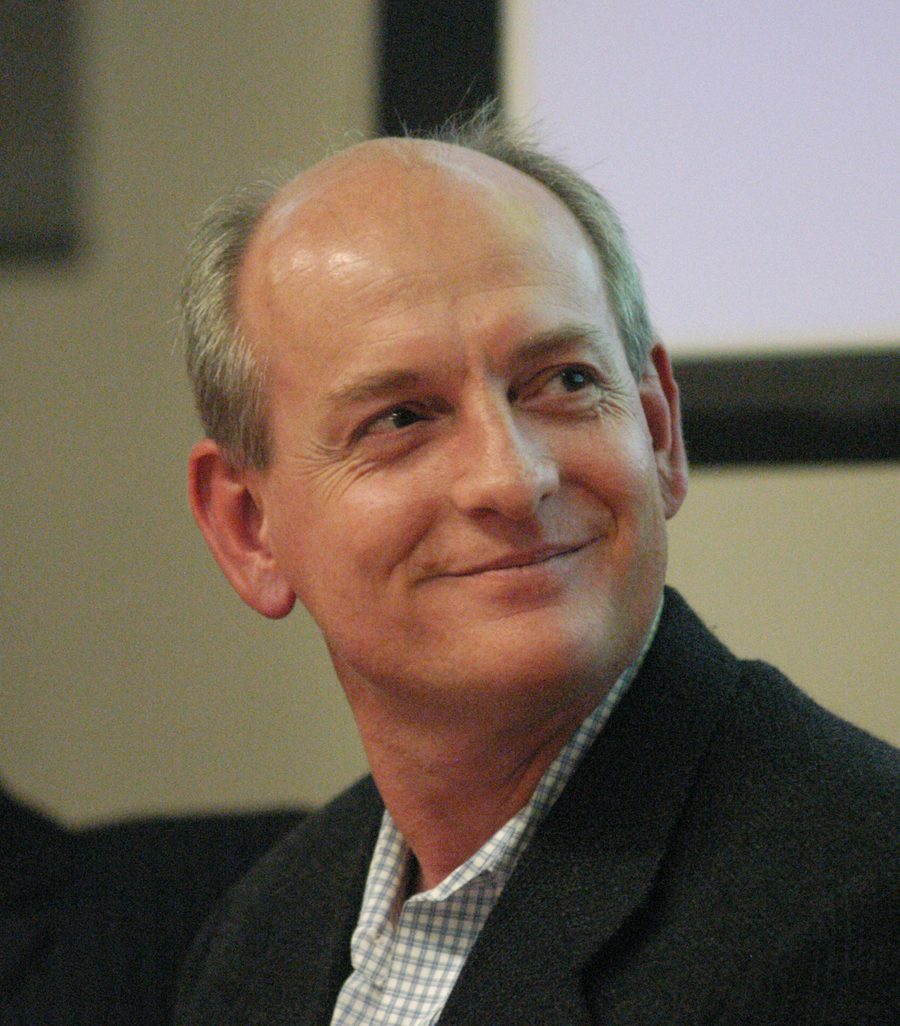
Distinguished Prof., UC Berkeley · Director, CHAI
Co-author of Artificial Intelligence: A Modern Approach, the standard AI textbook used in over 1,500 universities across 135 countries, and a Fellow of the Royal Society. One of the field's leading voices on keeping advanced AI under human control, a case he makes in his book Human Compatible and his 2021 BBC Reith Lectures.
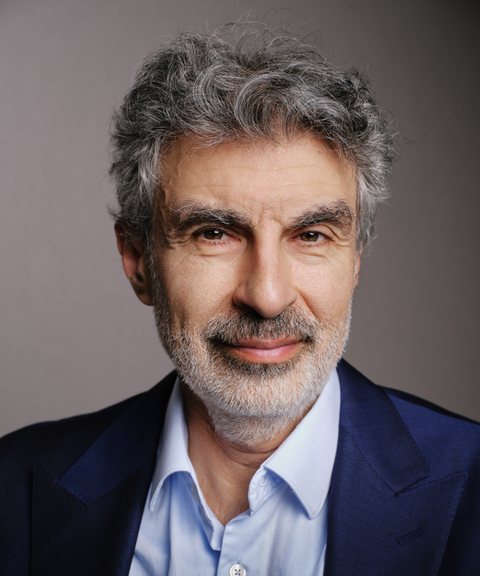
Co-President and Scientific Director, LawZero · Professor, Université de Montréal
The most cited living scientist across all fields and recipient of the 2018 A.M. Turing Award, considered to be the “Nobel Prize of computing.” He leads LawZero, a nonprofit dedicated to developing safe-by-design AI systems as a global public good, incubated by Mila, the Quebec AI Institute, which he founded. He co-chairs the UN's Independent International Scientific Panel on AI and chairs the International AI Safety Report, backed by more than 30 countries and international organisations, including the EU, OECD and UN. He is a Fellow of both the Royal Society of London and Canada.
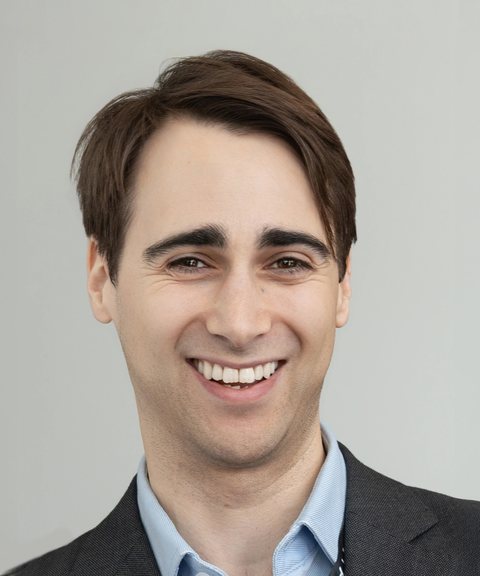
Co-founder and CEO, FAR.AI
Holds a PhD in artificial intelligence from UC Berkeley, advised by Stuart Russell, and previously worked at Google DeepMind alongside Jan Leike and Geoffrey Irving. His research focuses on making advanced AI systems verifiably safe: from value learning and robustness in deep RL to, more recently, detecting and eliminating hidden or deceptive behavior in frontier models.
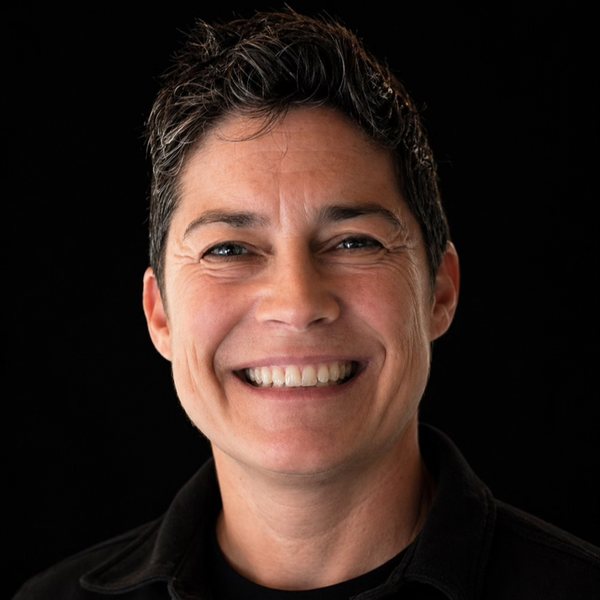
Managing DirectorCantellus Group
IASEAI Policy Committee · OpenAI External Red Teaming Network
Advises governments, technology companies, and organizations on the strategy, governance, and responsible deployment of agentic AI systems. She also advises AI Safety Connect and contributes to UNESCO initiatives on AI governance. Previously, she led Global Social Impact Products & Partnerships at WhatsApp and held leadership roles at the World Economic Forum.
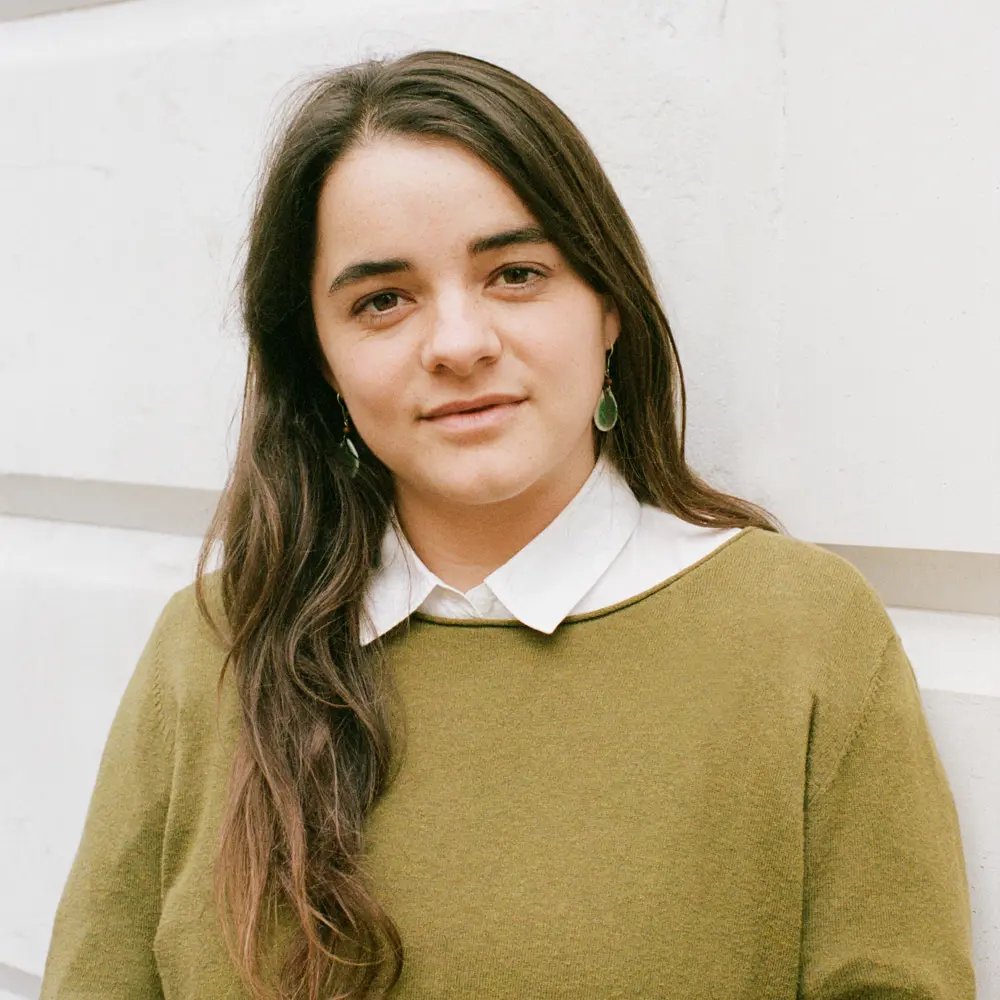
Programme DirectorARIA
Co-founder, Principles of Intelligence
Runs Safeguarded AI, a roughly £60M ARIA programme building a mathematical assurance toolkit that lets fleets of AI agents produce formally verified artefacts at speed and scale, from software to microelectronics to cyber-physical control systems. Co-author of Gradual Disempowerment, and previously a Research Manager at Oxford's Future of Humanity Institute.
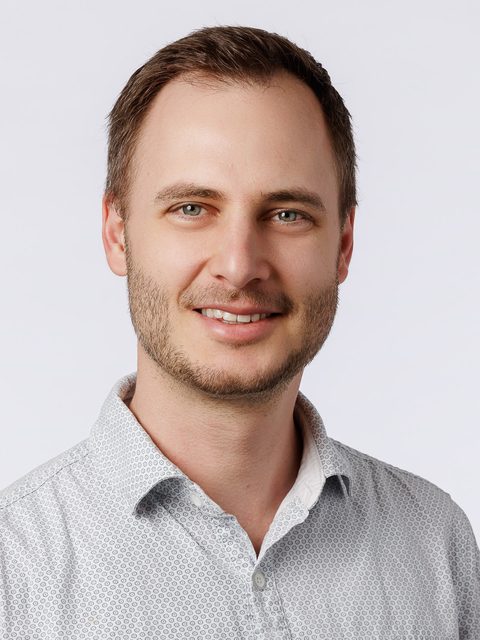
Lead, Gemini Safety Post-TrainingGoogle DeepMind
Dr. Adrian Hutter leads the Gemini safety post-training team at Google DeepMind. His current research centers on instilling robust values in AI models across diverse environments. He has a background in theoretical quantum physics and has been interested in how to ensure the development of AGI is broadly beneficial for over a decade.
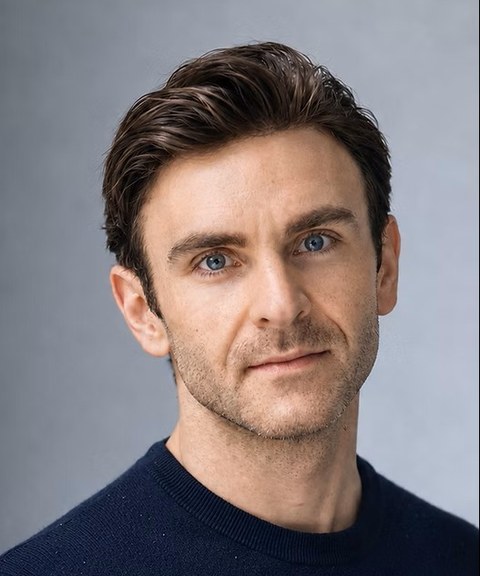
Research ScientistUniversity of Oxford
King's College London · The Alan Turing Institute
His work focuses on AI safety and online harms, with expertise in countering harmful manipulation, election interference, counterterrorism and CBRN. A Senior Advisor to the Online Harms Foundation, he advises governments, law enforcement and AI labs on emerging technologies and national security threats. Featured in The New York Times and The Financial Times.
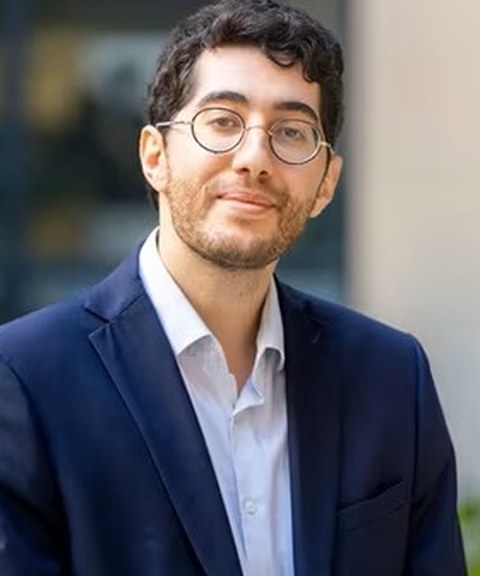
Executive DirectorCeSIA
EU AI Act and OECD AI Expert · IASEAI Council Member
CeSIA is part of the official evaluator consortium for the EU AI Act's Code of Practice on harmful manipulation risks. Initiator of the Global Call for AI Red Lines, endorsed by 12 Nobel laureates and presented at the UN. Founded ML4Good, replicated 20+ times worldwide, and created the EU's first university-accredited course on general-purpose AI safety.
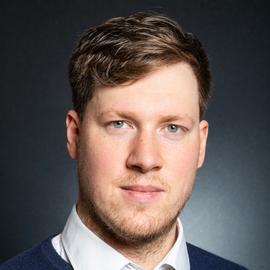
FounderWitt Lab
Associate Professor, University of Oxford · joining UCL in October 2026
Founded Witt Lab to study multi-agent security: what becomes of security when the parties to a system are learned agents that reason, communicate and pursue goals. Holds an EPSRC Open Fellowship, a Royal Academy of Engineering Research Fellowship and a Schmidt Sciences AI2050 Early Career Fellowship. DPhil from Oxford on deep multi-agent reinforcement learning.

Research ScientistUK Government
10 Downing Street Innovation Fellow
An AI researcher focused on ensuring AI benefits society. His work spans frontier AI evaluation at the UK AI Security Institute, and public-sector innovation across government, combining technical research with practical policy impact. Also an Honorary Lecturer at Imperial College London, where he teaches deep learning.

Head of European Policy and ResearchFuture of Life Institute
Co-founder, AI Safety Lab, KU Leuven
Contributed to shaping the general-purpose AI and systemic risk provisions of the EU AI Act. A PhD researcher at KU Leuven, a member of Estonia's government AI advisory board under the Prime Minister, and co-author of The AI Endgame (Wiley, forthcoming). Also leads the EU AI Act Newsletter, which has over 50,000 subscribers.
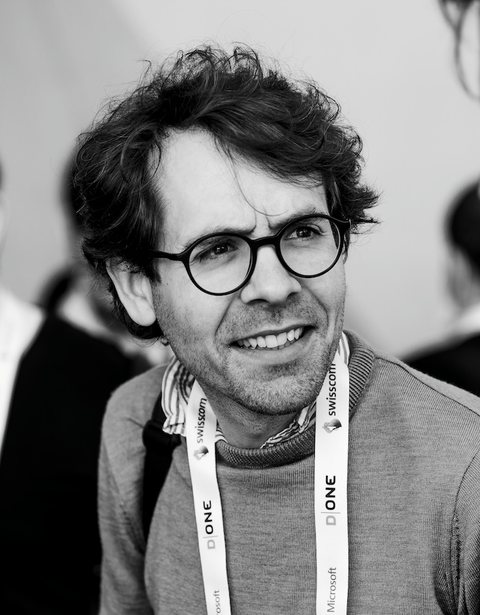
Associate ProfessorEPFL
Head of the Data Science and AI Lab (dlab)
Works at the intersection of AI, natural language processing and computational social science, with a focus on building AI that is safe for humanity. Previously a Visiting Researcher with the AI Frontiers group at Microsoft Research, and a recipient of the ICWSM Adamic-Glance Distinguished Young Researcher Award and an SNSF Starting Grant.

Senior ML EngineerCheck Point AI Security
Formerly AI Safety Research Lead, Palisade Research
Works on an automated red-teaming platform for LLMs and AI agents at Check Point AI Security. Previously led work on specification gaming, cybersecurity agents and malicious fine-tuning at Palisade Research, and collaborated with FAR.AI on testing LLM robustness against multi-stage adversarial attack pipelines. Holds a PhD in mathematics.

Founding DirectorAI Transparency Institute
Organiser, AI Governance Forum
Leads a Swiss think tank dedicated to governance “of” and “via” AI, a research fellow organization under IASEAI. Specialized in risk management, she works on safety-by-design infrastructure and the governance of agentic AI, has reviewed research projects for the EU Commission since 2018, and holds a postdoctoral fellowship from MIT.

Head of Applied ResearchSecureBio
Works on SecureBio's AI team, which focuses on understanding and reducing catastrophic biological risks posed by emerging artificial intelligence, leading targeted evaluations designed to assess model safeguards and identify high-risk capabilities. PhD in Virology from Erasmus MC, Rotterdam, where she studied neuroinvasive mechanisms of high-containment viruses.

Principal InvestigatorELLIS Institute Tübingen
Lead, AI Safety and Alignment Group, Max Planck Institute for Intelligent Systems
A member of the EU AI Scientific Panel and a chapter lead for the International AI Safety Report 2026, chaired by Yoshua Bengio, and a founding advisor at Exponential Security Labs. Has taken part in red-teaming efforts for OpenAI and Anthropic models, and co-authored benchmarks used by OpenAI, DeepMind, Meta, xAI and Anthropic. PhD in machine learning from EPFL.

Assistant Professor of Computer ScienceUniversity of Toronto
Founder, EuroSafeAI
Also a Research Scientist at the Max Planck Institute in Germany, a member of the EU AI Scientific Panel, a CIFAR AI Chair and faculty at the Vector Institute. Her research focuses on Causal Reasoning with LLMs, and AI Safety in Multi-Agent LLMs. Author of over 100 papers, and a recipient of the ELLIS PhD Award and three Rising Star awards.
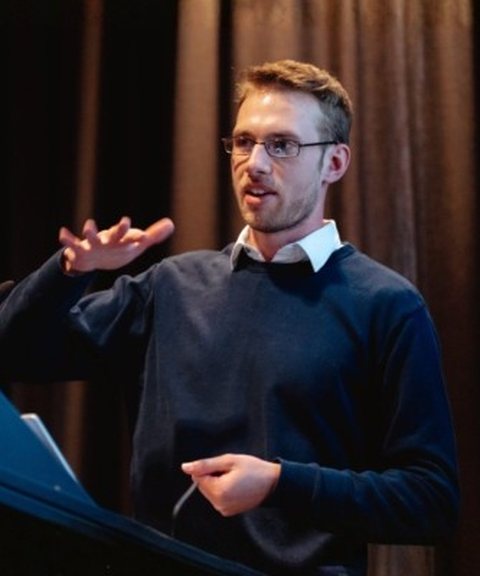
CEOGenerality Labs
Leads a nonprofit R&D lab based in London which provides tools and analysis that help researchers measure the safety of advanced AI.
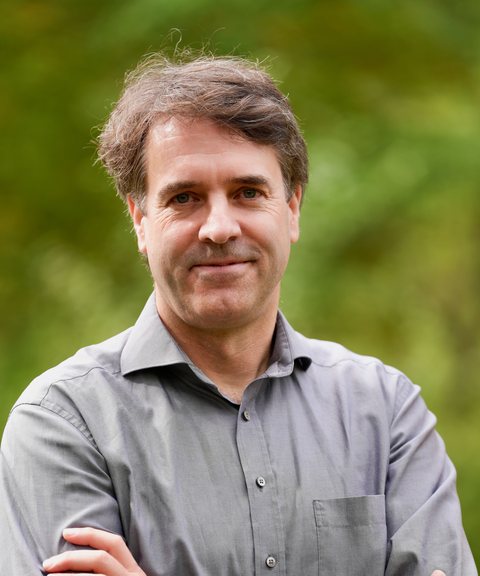
Operations LeadSaferAI
His remit covers research management and recruiting. Research interests include AI-driven systemic risks to the financial system and frontier model risk management. Previously managed large-scale product, engineering and data teams in tech companies. Holds a DPhil in theoretical physics from Oxford.
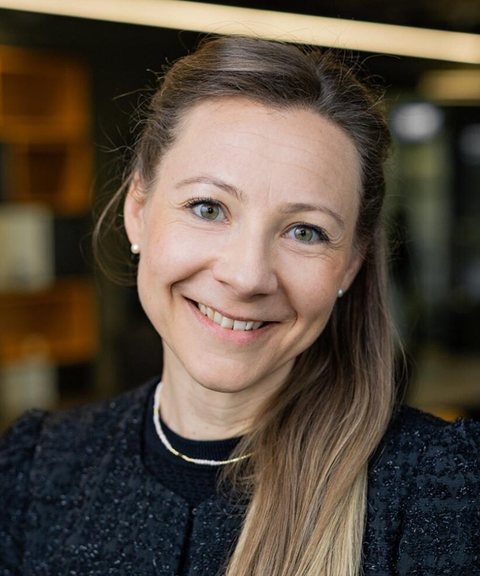
Director of EU LawLawAI
Leads the team's research and consulting work on the regulation and governance of general-purpose and frontier AI under the EU AI Act. Previously led the European AI Governance team at a nonprofit, and before that spent 15 years as an English barrister and Hong Kong solicitor litigating cross-border commercial fraud in London, Grand Cayman, Guernsey and Hong Kong.
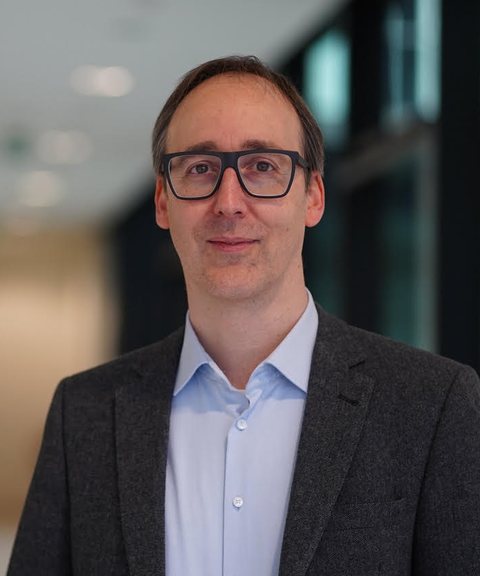
Co-founderCOAI Research
Co-founded a nonprofit institute in Nuremberg investigating how human control of advanced AI could fail and where safeguards could prevent that failure. His research connects threat modelling, safety evaluations and evidence synthesis, focusing on networks of AI agents and pathways to loss of control. Also works on deceptive behaviour and mechanistic interpretability.
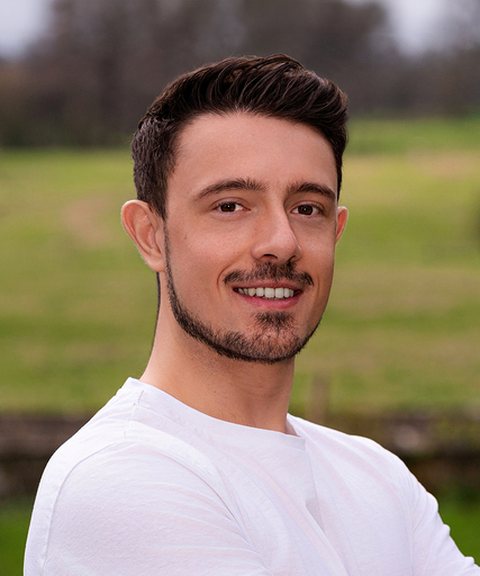
Founding Member & Research ScientistApollo Research
Leads research on misalignment and deception in AI agents: how autonomous systems end up pursuing goals nobody intended, how to detect it, and how to fix it. Apollo is an AGI safety research organization building coding agent security products and working with OpenAI, Anthropic, Google, Meta and others on frontier safety, focused on scheming, control and evaluations.
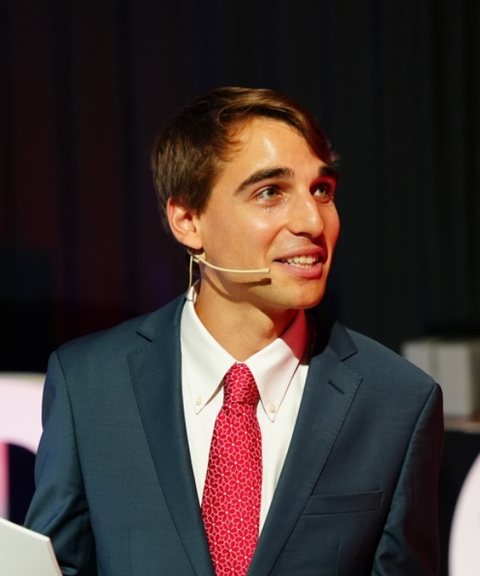
Science Communicator & YouTuberChez Anatole
Public Speaker · École Polytechnique
Increasingly focused on AI safety. His YouTube channel Chez Anatole has 40k+ subscribers and 2.4M+ views. Has given 90+ talks across Europe, hosted the International Physics Olympiad, and won the French Debating Association championship at the French National Assembly with École Polytechnique.
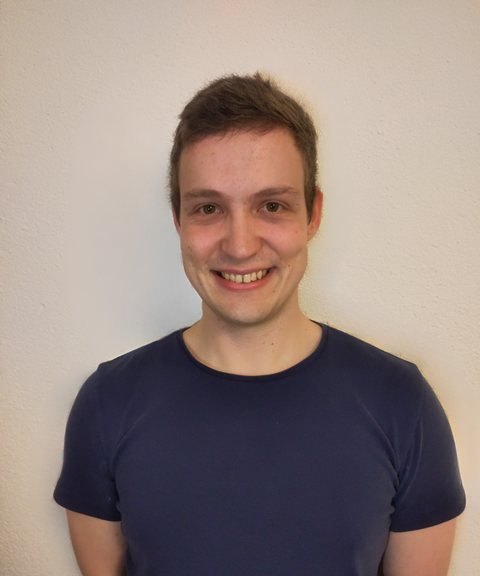
PresidentZurich AI Safety
PhD Student, ETH Zurich
Researches AI safety, with a focus on developing a rigorous science of misalignment. Alongside his doctorate, he has several years of experience in field-building and AI safety career advising.
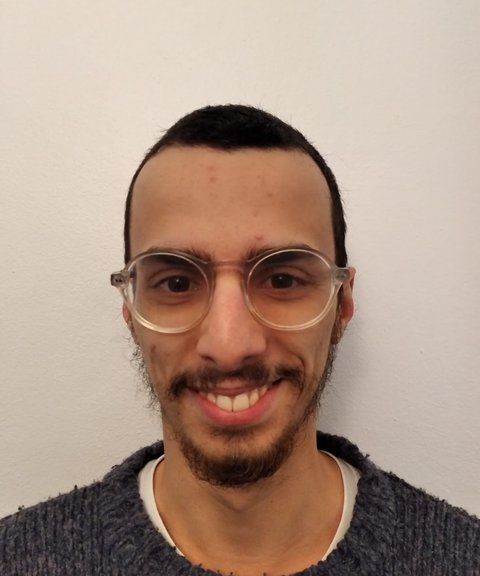
Member of Technical StaffEleutherAI
Works on making open-weight models safer. A physicist by training, with a master's in Lisbon and a PhD in Theoretical and Applied Mechanics from Sapienza University of Rome, he joined EleutherAI's interpretability team to work on automated interpretability and sparse autoencoders, then moved to data attribution: how specific training data shapes what a model does.
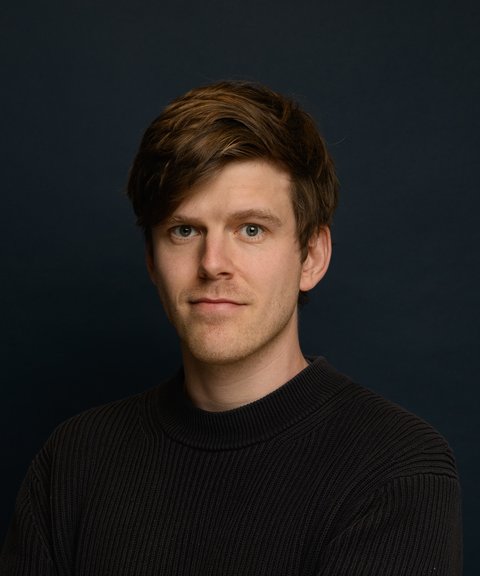
Co-DirectorPivotal Research
Tobias Häberli directs Pivotal Research, which runs AI safety and biodefense research fellowships in London.
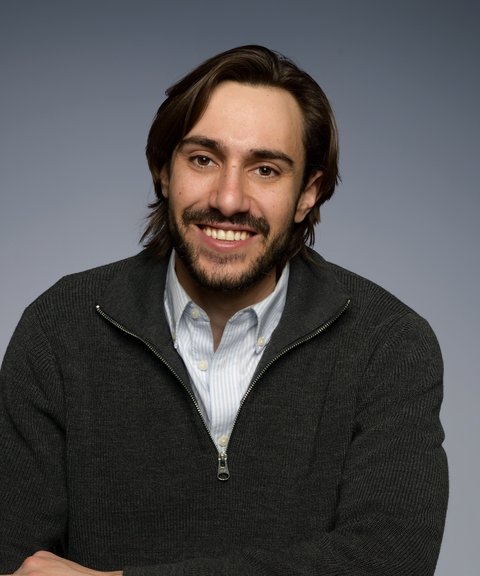
Policy ResearcherAI Standards Lab
A lawyer holding an LL.M. in technology law from the University of Edinburgh. He participates in the European standardisation groups developing harmonised standards for the EU AI Act (JTC 21) and in the ISO AI committee (SC 42), where he focuses on Frontier AI best practices. Also an external lecturer at Esade, teaching the economics of the AI supply chain.
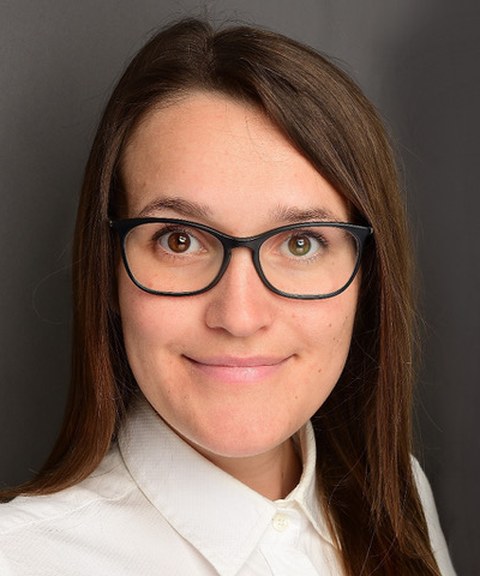
ProfessorJohannes Gutenberg University Mainz
Founder and Head, XplaiNLP group (JGU Mainz & TU Berlin)
Her research advances explainable, robust, and trustworthy NLP that enables informed human-AI collaboration in high-risk domains, from medical decision support to tools that help journalists and fact-checkers trace disinformation and detect foreign information manipulation. She has raised over €6.5 million in third-party funding and is a GI Junior Fellow.
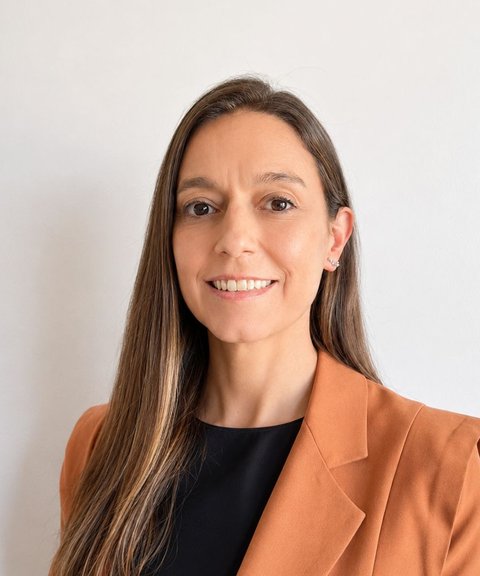
Director of ProgramsSteadRise
SteadRise is an AI safety field-building organisation connecting experienced professionals with opportunities in the field. She also collaborates on AI safety community-building and communications, including through the Buenos Aires AI Safety Hub (BAISH). Before moving into AI safety, she spent over 16 years in tech, including six years in enterprise sales at Meta.
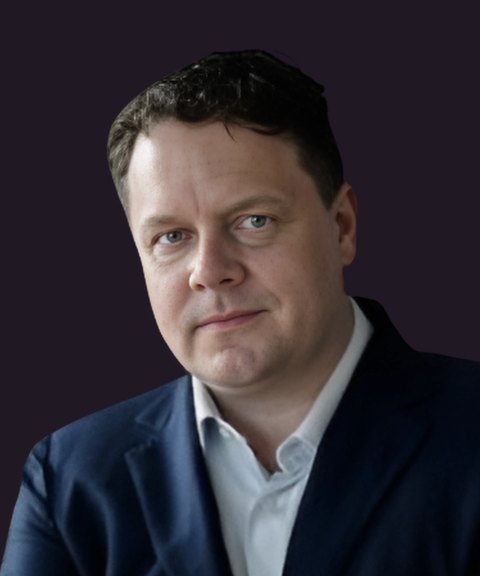
Executive ChairKatapult Impact Platform
Technology operator and impact investor with a career spanning software engineering, scaling startups, and executive leadership at publicly listed global companies, including significant M&A and corporate venture activity.
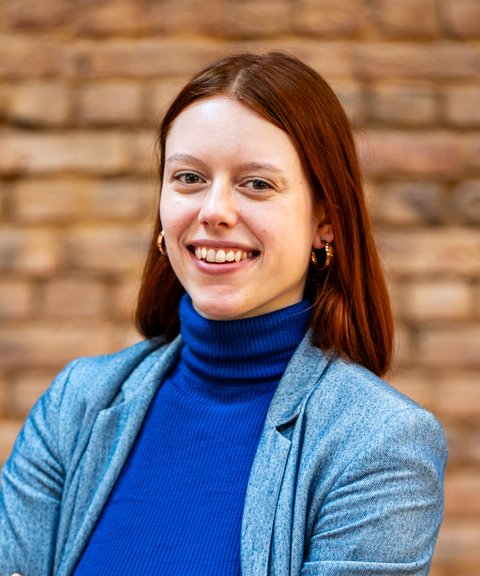
AI Governance Programme LeadTalos Network
Co-leads the Talos Fellowship, owns fellowship placement matching, and leads government partnerships. After starting in AI safety community building, she joined Training for Good (now Talos Network) in November 2023 as Employee #1. She is driven by fostering a high-trust, evidence-informed community in European AI governance.
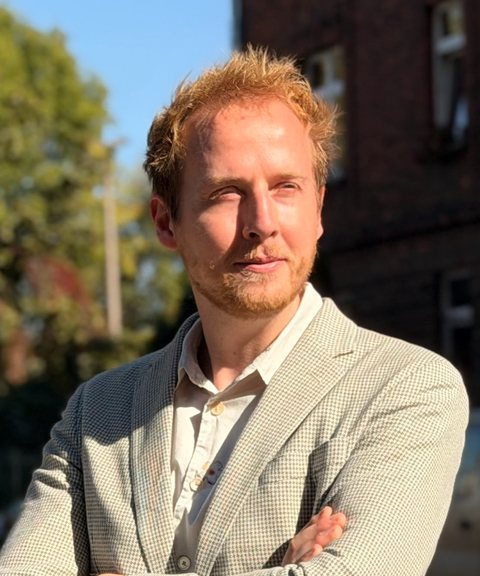
Research ScientistApart Research
Works on AI as an instrument of influence: how adversaries use it to deceive and defraud people, and how rogue agents might steer the people around them. He builds evaluations of these risks at Apart Research, a non-profit evaluator supporting the EU AI Office. Previously developed misuse and capability evaluations at the UK AI Security Institute and Prolific AI Research.
Updated every week
Neutral ground for a global challenge.
Switzerland's tradition of diplomacy makes it a natural intermediary among the world's leading AI powers. Zurich adds Europe's densest AI talent pool, ETH, and offices of 7 of the world's 10 leading AI companies, including Google, Meta, Microsoft, and Anthropic.



We return to the main building of ETH Zurich, one of the world's leading universities for science and technology. 21 Nobel laureates walked these halls, Albert Einstein among them. In November 2026, it's your turn.
Places are limited, so attendance is by application. We review applications on a rolling basis and send decisions throughout, so applying early gives you the best chance of a place.
If you are accepted, we will invite you to pay for your ticket to secure your spot.
The conference runs on a trust-based ticket price system where you choose how much you pay, but we include income-based guidelines.
We are still putting the program together, but we expect to run additional events on Friday afternoon and evening, and on the Saturday and Sunday evenings. These will be for networking and socialising rather than talks. Accepted attendees will get the details before the conference.
Full access to the program on both days, plus breakfast, lunch and snacks.
Unfortunately not. Our budget is limited, so attendees are responsible for their own travel and accommodation.
Yes. Ask us via email as soon as you receive your acceptance email, as visa appointments and processing can take a long time.
All catering is vegan. We serve breakfast and lunch on both days, with snacks throughout.